Cult Warning Signs
Expert analysis on top cult warning signs According to experts such as Robert Lifton, Margaret Singer, Richard Ofshe, and Robert Cialdini, the most reliable sign that a group is a cult is the presence of unethically…

Below you will find articles exploring the nuances of the sensitive topic cult churches, including what they are, why they are so hard to define, a list of cult churches, and much more.

Expert analysis on top cult warning signs According to experts such as Robert Lifton, Margaret Singer, Richard Ofshe, and Robert Cialdini, the most reliable sign that a group is a cult is the presence of unethically…

Brainwashing, thought reform, and mind control are all coercive techniques used to make the someone lose their freedom of choice to an external entity. Is brainwashing exclusive to cults? Some would argue that everyone is…
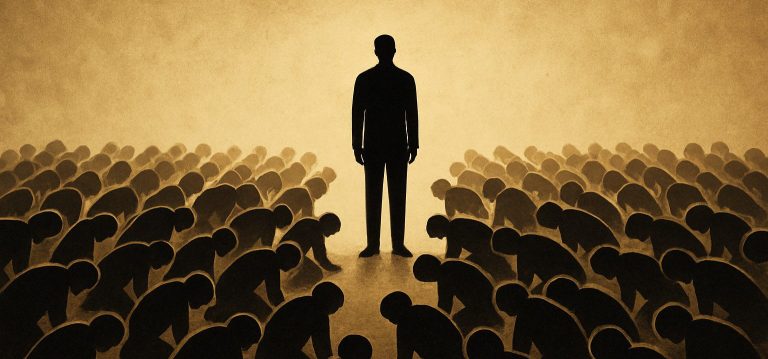
No, religious cult leaders are not perfect; their perceived infallibility is a tactic used to maintain control over followers, allowing them to demand absolute obedience, and discourage critical thinking. The bible clearly says that “all…
Like it or not, all humans are always submitting to something. The enemy of our souls will often try to present us with a false choice: Option 1: Manmade Religion The problem with manmade religions…
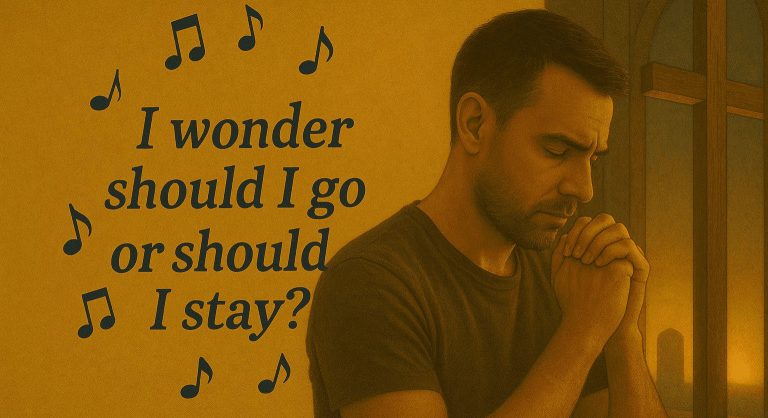
People who are not part of a Christian cult (or high-control Christian sect), may assume that if people inside the cult don’t think the teaching is sound, they should simply leave. However, for those trapped…

Few topics in modern Christianity are as sensitive or as complex as cult churches. The cult label is often used as a warning, or even a weapon, by critics of a church. But what does…
“Cult churches” typically refer to religious movements or sects marked by high-control tactics, isolation from society, and extreme devotion to a charismatic leader. See our cult church list for a comprehensive overview of cult churches broken down into academically recognised categories.
Experts use several criteria to define destructive, cult-like groups:
Many groups including relatively benign and traditional Christian groups sometimes get labelled as a cult, when critics weaponise the click-bait “cult” term to highlight features they disagree with.
Also, well-known groups such as that deviate from orthodox Christian doctrine, such as Jehovah’s Witnesses or Mormons strongly contest the cult church label, claiming they just have unique (and correct) theology, but ex-members often strongly disagree and place their former church within the “sociological” cult category (groups that exhibit high-control, harmful behaviours).